Live Smarter With Everyday Decision Design

Welcome to an uplifting exploration of Everyday Decision Design, a practical way to shape small, repeated choices so life feels lighter, clearer, and more intentional. We will blend behavioral science, stories, and simple tools you can try today. Expect experiments you can run in minutes, reflections that unlock momentum, and community prompts inviting you to share wins, stumbles, and insights. Subscribe, comment, and help refine approaches that turn ordinary moments into reliable pathways toward the outcomes you genuinely want.

Start Where Choices Begin

The earliest moment of a choice often hides in plain sight: a notification buzz, a placement on the counter, a tired mood at 4 p.m. By mapping cues and framing the first question differently, you change everything downstream. Think of your morning: mug ready, shoes visible, playlist queued. Small anticipatory adjustments reduce friction and sidestep willpower battles. This is about designing moments before they unfold, so helpful actions feel obvious, attractive, and easy to begin without debate.

See the Invisible Triggers

Notice how your phone’s glow steals five minutes before breakfast, how a cookie tin on the desk becomes lunch, how an open tab becomes two lost hours. When you label cues without judging yourself, patterns emerge kindly and clearly. Move objects, silence pings, or bundle helpful prompts with existing routines. You are not correcting character; you are editing context so the next move flows naturally toward what you said matters.

Reframe the First Question

Instead of asking, “Do I feel like doing this now?” ask, “What is the smallest next step that keeps the promise I made to myself?” That shift rescues you from mood-based debates. Another helpful reframe is from outcomes to processes: not “Will I finish?” but “How do I start in two minutes?” Reframing clarifies utility, reduces overwhelm, and nudges your attention toward action that compounds, even on messy, imperfect days.

Choose Defaults That Carry You

Defaults quietly govern outcomes because they run when you are busy or tired. Set your calendar to protect deep work, auto-stock healthy snacks, pre-schedule bill payments, and keep your running shoes near the door. A default is not a restriction; it is scaffolding that supports you when motivation dips. Tweak environments weekly until good decisions happen automatically, then celebrate the saved energy by doing something personally delightful.

Habits as Quiet Architects

Habits draft the blueprint your day follows. They speak softly but build loudly over months. Start with micro-actions that take less than two minutes, then let identity grow around consistent repetition. Picture Maya, who placed her sketchbook beside her kettle; every tea steep gave her three drawing minutes, which became portfolios and paid commissions. When effort is tiny and anchored to something you already do, momentum outlasts motivation and progress becomes pleasantly inevitable.

Tiny Steps, Big Compounding

Compounding does not require dramatic leaps; it loves small, steady deposits. One push-up after brushing, one highlighted sentence at lunch, one gratitude line before bed. Each is trivial alone but transforms trajectories together. Track streaks compassionately, forgive resets quickly, and celebrate tiny consistencies loudly. Over seasons, such micro-commitments become confidence, and confidence becomes capability, and capability unlocks opportunities that once demanded impossible willpower or intimidating bursts of focus.

If–Then Plans That Actually Fire

Implementation intentions translate hope into choreography. If I finish a meeting, then I log two bullet points. If I pour coffee, then I read a single page. Make triggers concrete and visible, place tools where the action happens, and reduce ambiguity about what “done” means. When conditions are unmistakable and steps are minimal, your brain executes without lengthy negotiations, turning aspirational goals into reliable, low-friction behaviors across hectic, ordinary days.

Designing Gentle Friction and Flow

Increase friction for distractions, reduce it for priorities. Put treats on a high shelf and fruits at eye level. Bury social apps in a folder; place your writing app on the dock. Keep a water bottle filled, chargers near workstations, and a single open tab policy. These small resistances and lubrications shape attention with kindness, allowing focus to feel earned yet effortless, and making the easiest path also the most aligned with your values.

Tools You Can Use Today

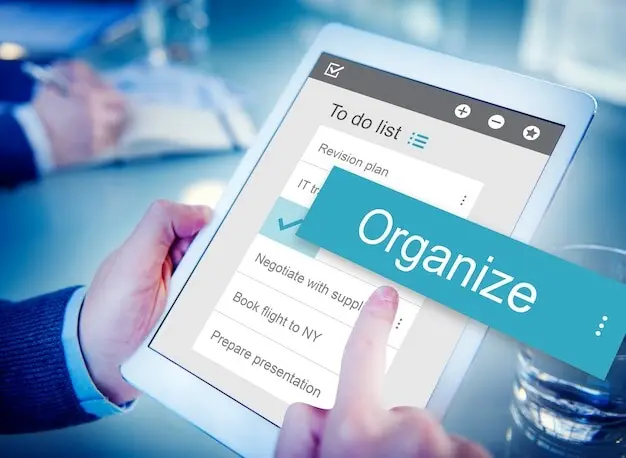
Practical tools translate insight into movement. Think checklists that slice ambiguity, journals that surface patterns, and dashboards that reveal trends at a glance. Choose formats that fit your life, not someone else’s aesthetic. Start embarrassingly small, review weekly, and retire anything that adds complexity without clarity. Tools should lighten cognitive load, protect attention, and amplify feedback loops so you can learn quickly, adjust deliberately, and feel steady progress even on demanding schedules.

Social and Environmental Cues

People and places shape choices more than intentions do. Surround yourself with signals that normalize desired behavior and make counterproductive options slightly inconvenient. Share goals with a kind partner, co-work virtually to anchor focus, and curate your feeds thoughtfully. Adjust lighting, layout, and soundscapes to suit the task. When your surroundings gently echo your priorities, you spend less willpower resisting and more time simply doing what matters with calm, sustainable attention.

Signal With Your Space

Let your desk advertise your next action: notebook open to a prompt, pen uncapped, task outlined in a single visible line. Hide unrelated tools and visual clutter. In the kitchen, prep containers front and center; in the bedroom, a book replaces the remote. Each placement whispers a suggestion at the perfect moment, guiding you across tiny thresholds from intention to action without speeches, negotiations, or brittle reliance on fluctuating motivation.

Borrow Better Norms

Humans mirror. Join a study group, silent Zoom room, or walking club to inherit supportive rhythms. Share experiments publicly to create gentle accountability, but keep goals process-focused to avoid performative pressure. Choose communities that celebrate effort, rest, and patience. When the group’s default aligns with your values, everyday choices become easier, because the socially expected action coincides with your desired action, and progress feels like belonging rather than lonely resistance.

Experiment, Measure, Adjust

Treat life like a friendly lab where small, reversible tests teach you quickly. Define a hypothesis, pick a tiny metric, and set a brief window. Keep stakes low and curiosity high. When a test works, lock it in; when it fails, extract one lesson and try again. Iteration builds resilience, reduces shame spirals, and transforms uncertainty into discovery. Over time, you will trust yourself to adapt skillfully, even when conditions shift unexpectedly.

Ethics, Autonomy, and Care

Design can be powerful, so it must be kind. The goal is not control; it is alignment with freely chosen values. Seek informed consent when influencing others, especially at home or work. Avoid manipulative scarcity or fear tactics, and prefer transparency, reversibility, and respect. You are building environments where the dignified choice is also the easy choice. When in doubt, pause, ask, and adjust until the approach feels honest, compassionate, and sustainable.
A helpful nudge preserves options and reveals consequences without cornering anyone. Offer opt-outs, show alternatives clearly, and make the default merely convenient, not coercive. Articulate your intention openly: to help people do what they already want to do. Audit for unintended harms, like excluding those with different needs. Real respect strengthens trust, and trust makes guidance welcome rather than resented, especially in relationships where power or expertise is unevenly distributed.
Before altering a process, step into another person’s day. What pressures shape their choices? What constraints, histories, and hopes ride along? Interview, observe, and co-create small experiments. Replace blame with curiosity and remember abilities fluctuate. Good design meets people where they are and grows with them. It listens more than it lectures, and it invites feedback continually, so solutions remain humane even when circumstances, technologies, or preferences inevitably evolve.
Pentoravolivodexomiralaxi
Privacy Overview

This website uses cookies so that we can provide you with the best user experience possible. Cookie information is stored in your browser and performs functions such as recognising you when you return to our website and helping our team to understand which sections of the website you find most interesting and useful.